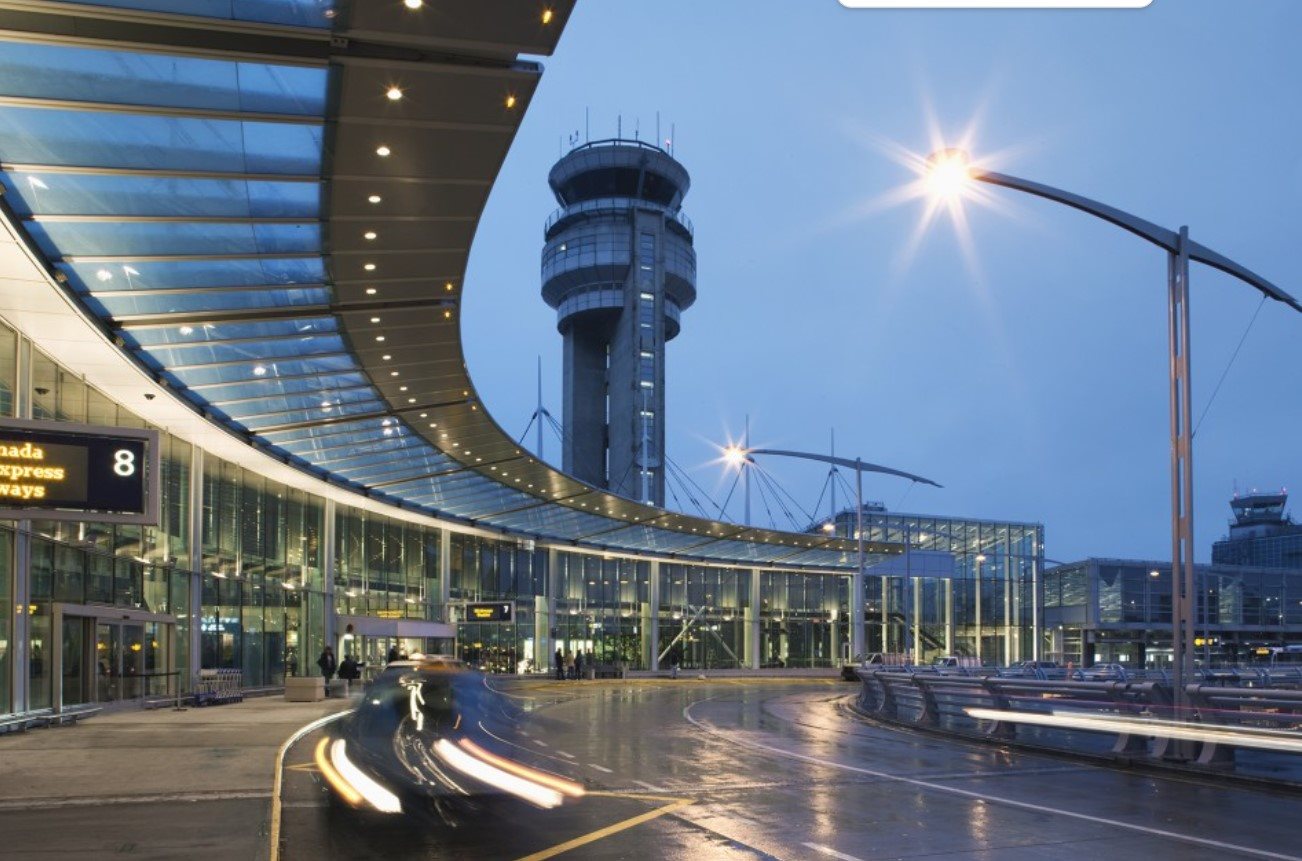
A couple was detained at Montreal’s Trudeau International Airport after airport security discovered a substantial quantity of cash concealed inside their suitcases. The discovery occurred during a routine screening process, which prompted officials to take immediate action for further inspection. Authorities say these types of incidents raise alarms about potential illegal activities such as money laundering or undeclared financial transactions. The situation unfolded smoothly but garnered significant attention at the busy airport.
According to Canadian Border Services Agency (CBSA) protocols, any individual entering or leaving Canada with $10,000 CAD or more in currency must declare the amount to customs officials. Failure to do so can result in fines, seizure of the money, or further investigation. In this instance, authorities stated that the couple in question had not made any such declaration, leading to increased scrutiny and a pause on their travel plans. The CBSA has reiterated the importance of transparency at border crossings.
Eyewitnesses at the scene described an efficient, but conspicuous, response by airport authorities. “Security was very professional and thorough. They calmly escorted the couple to a private area and didn’t cause any unnecessary panic,” recounted one traveler who preferred to remain anonymous. Other passengers waiting in line reported minor delays, but expressed understanding for the officials’ diligence. Such operations are generally carried out discreetly to respect privacy and maintain public order.
The actual sum of money found has not been officially disclosed by authorities, but sources close to the investigation suggest it could be significantly higher than the reporting threshold. Financial crimes investigators were called in to ascertain the origin and intended purpose of the cash. According to experts, large amounts of undeclared currency often spark concerns about links to criminal organizations or tax evasion strategies. The CBSA has yet to release further details pending a full investigation.
Legal experts highlight that transporting large sums of money is not inherently illegal, provided the funds are declared as required by Canadian law. “Carrying cash, even in large amounts, isn’t a crime,” noted Montreal attorney Jean-Philippe Gagnon. “But cross-border transparency is crucial, and not declaring funds invites suspicion and legal consequences.” He added that the couple’s intentions will play a central role in determining whether charges are pursued or funds are simply confiscated.
This incident comes at a time when Canadian border authorities are increasingly vigilant about detecting the flow of illicit funds. Statistics from the Financial Transactions and Reports Analysis Centre of Canada (FINTRAC) indicate that millions of dollars are seized annually at border points across the country. These measures form part of broader efforts to combat financial crimes, terror funding, and organized criminal activities. Officials say airport staff are specially trained to recognize suspicious behavior without causing undue alarm.
Travelers arriving or departing from Canadian airports are urged to familiarize themselves with customs requirements to avoid similar situations. The CBSA has undertaken public awareness campaigns emphasizing the importance of declaring all forms of currency, including cash, traveler’s cheques, and even certain negotiable instruments. While most passengers comply without issue, the rare violations often result in high-profile enforcement actions such as the one witnessed at Montreal-Trudeau.
As the investigation continues, authorities are assessing whether the couple can adequately explain the source and intended use of the funds. Depending on the outcome, they may face penalties under the Proceeds of Crime (Money Laundering) and Terrorist Financing Act or have their money returned if no wrongdoing is found. The case serves as a timely reminder of the stringent checks in place at Canada’s borders to uphold financial integrity and national security.